
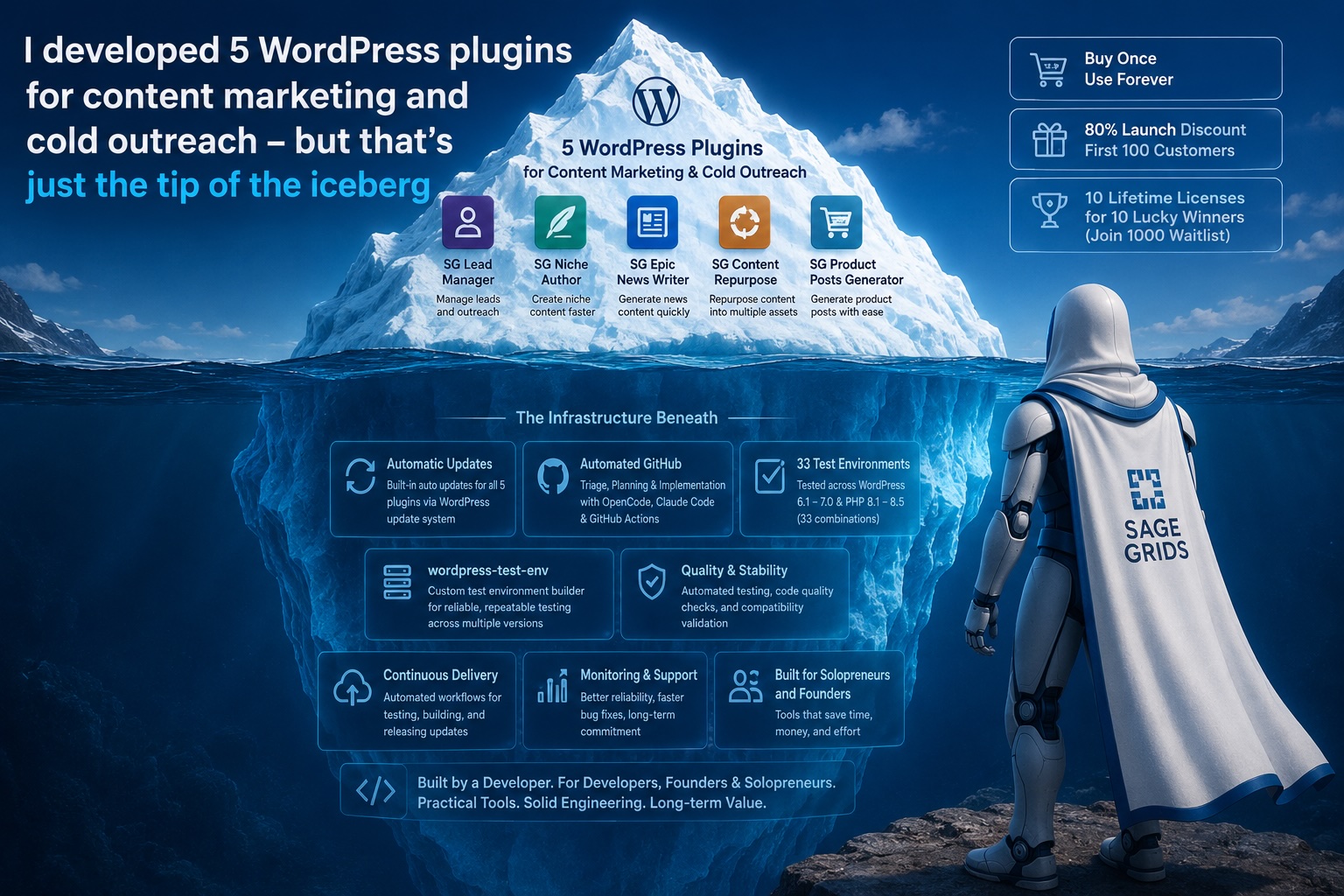
I developed 5 WordPress plugins for content marketing and cold outreach – but that’s just the tip of the iceberg
Most software launches focus on features.
I think that’s backwards.
Features are easy to build.
Keeping software maintained, tested, updated, and supported for years is the hard part.
Over the last few months, I developed five WordPress plugins focused on content marketing and cold outreach. But the plugins are only half of what I built.
The other half is the engineering system behind them.
Every plugin now supports native WordPress automatic updates. Every release is tested across 33 WordPress and PHP combinations before it’s published. GitHub issues go through an automated triage and planning workflow powered by OpenCode, Claude Code, and GitHub Actions. The goal is simple: spend less time on repetitive maintenance and more time improving the products.
That’s the part users rarely see.
But it’s the part that determines whether a plugin is still worth using two years from now.
This post is a look at the five plugins, the development pipeline behind them, and why I’m using the plugins themselves to market the business that created them.
Why WordPress?
Because it already powers a ridiculous percentage of the internet.
Because people already know it.
Because you already own your website.
Adding another SaaS into the mix usually means another monthly bill, another account, another integration, another API limit, another place where your data lives.
I prefer owning the stack.
WordPress isn’t perfect.
It’s practical.
That matters more.
The Five Plugins
I didn’t build random AI wrappers.
Every plugin solves a workflow I’ve either needed myself or watched people struggle with repeatedly.
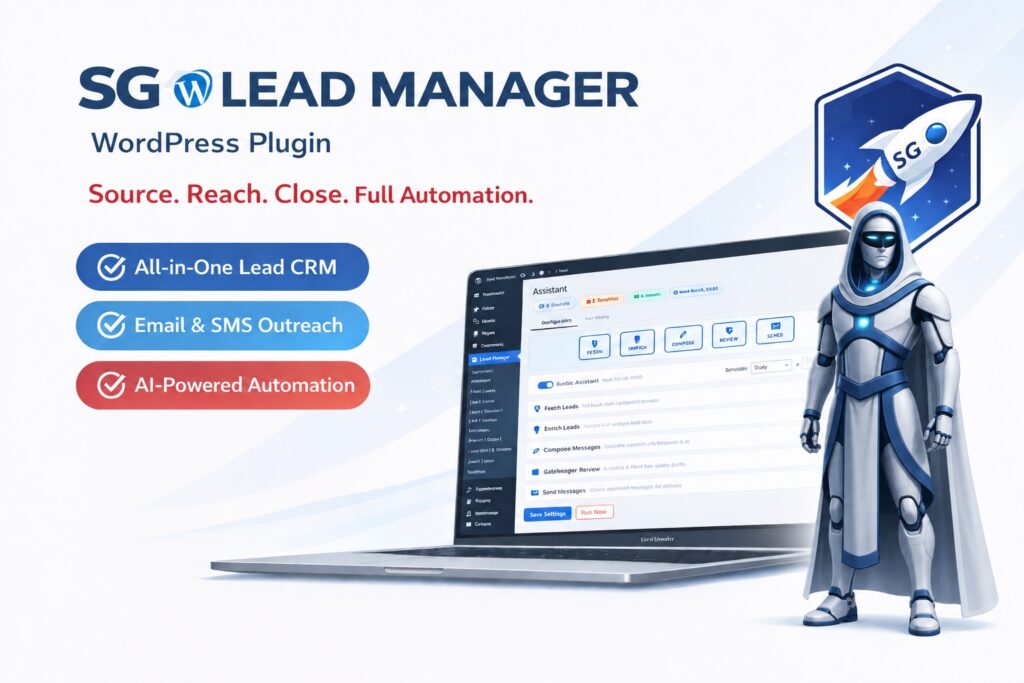
- SG Lead Manager for WordPress. Sourcing leads and sending email outreach. You manage a simple, effective sales pipeline right inside your WordPress admin. No bloated third-party CRMs required.
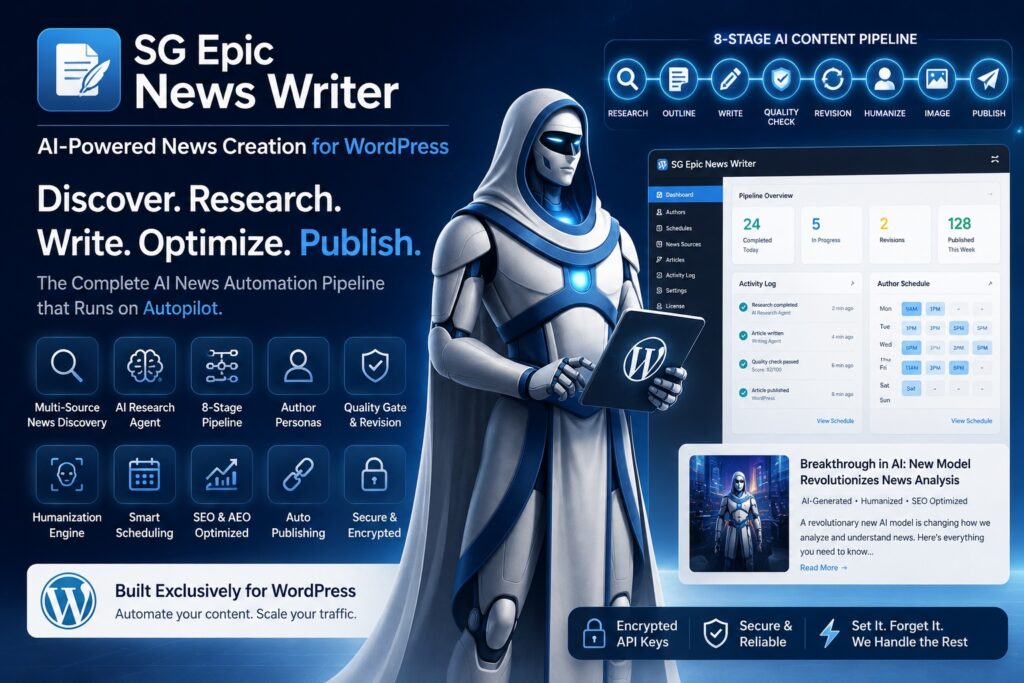
- SG Epic News Writer for WordPress. It pulls stories from RapidAPI or custom endpoints, then runs them through an 8-stage AI pipeline. The output? Rich, AEO and SEO-ready news articles written in your exact author voice.
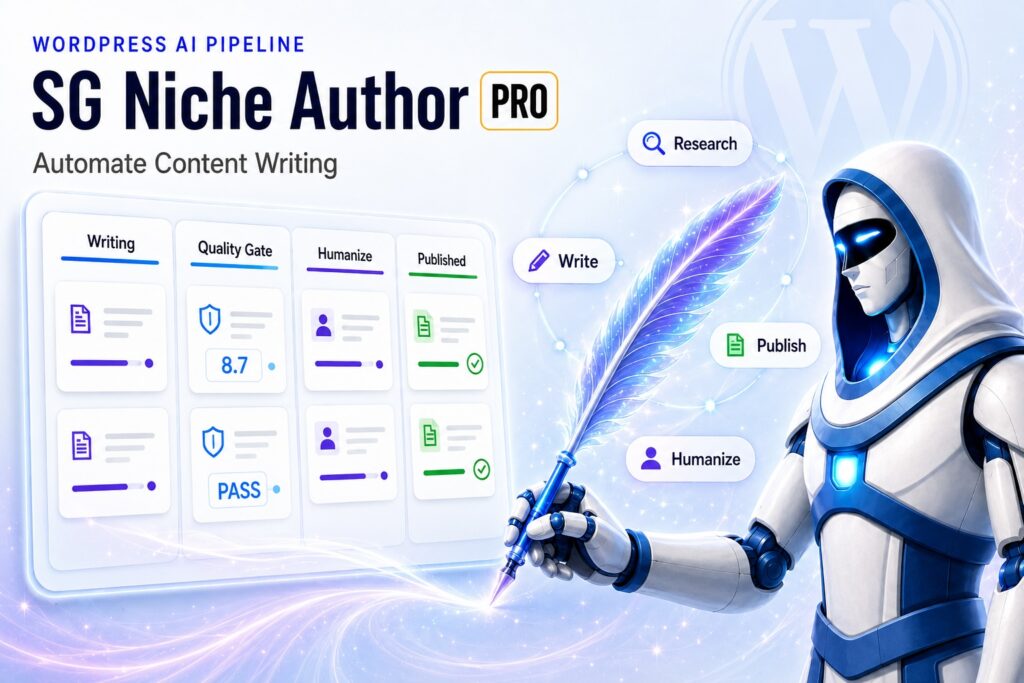
- SG Niche Author for WordPress. Configure your audience, niche, and author profiles once. The pipeline handles research, ideation, drafting, quality gating, humanization, and publishing. It runs while you sleep.
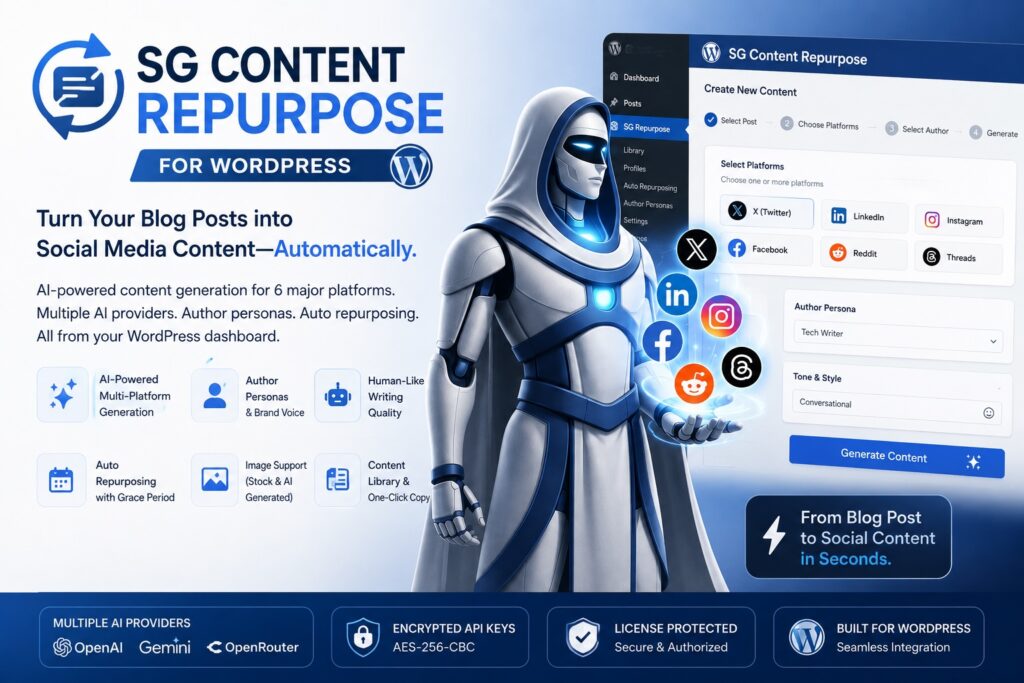
- SG Content Repurpose for WordPress. Publish a post. The plugin instantly slices it into platform-specific content for Twitter, LinkedIn, Instagram, Facebook, Reddit, and Threads.
- SG Product Posts Generator for WordPress. Turns your raw product data into high-converting posts automatically.
The Boring Stuff That Actually Matters
Features sell software.
Engineering keeps customers.
That’s the part most people never see.
I spent just as much time building the development pipeline as I did building the plugins themselves.
Because shipping version 1 isn’t hard.
Maintaining version 47 is.
Automatic Plugin Updates
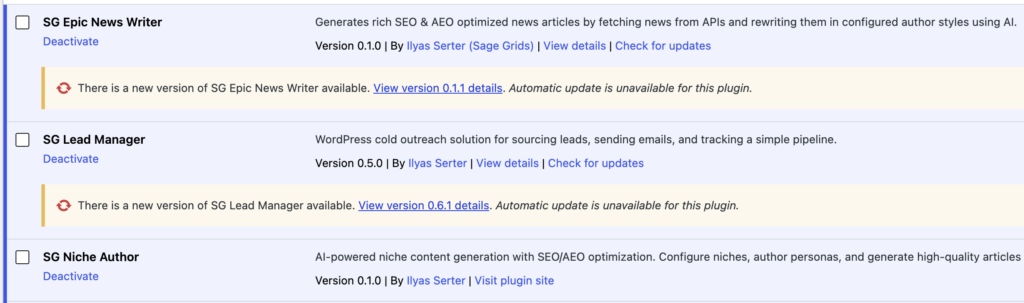
Every plugin now supports native WordPress automatic updates.
That means users can either:
- enable WordPress auto-updates and receive new releases automatically
- or simply click Update inside the WordPress admin panel like any other premium plugin
No downloading ZIP files.
No FTP.
No manual reinstalling.
Just updates.
I finished implementing this recently and verified the entire update flow end-to-end.

Development Doesn’t End When I Push Commit
This is probably my favorite part.
I automated support engineering.
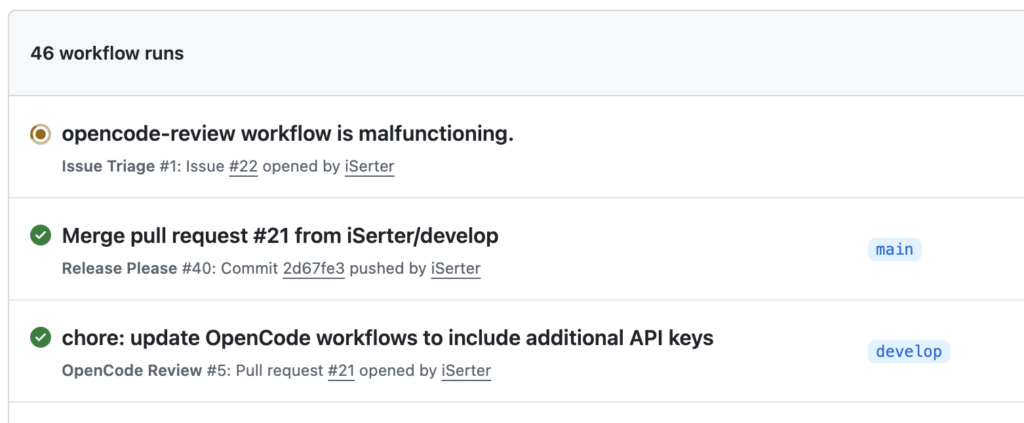
Every GitHub issue can now flow through an AI-assisted triage and implementation pipeline powered by OpenCode, Claude Code, and GitHub Actions.
That means repetitive maintenance work gets automated while I stay focused on reviewing architecture and shipping improvements.
The workflow looks roughly like this:
Issue created.
↓
Automatic triage.
↓
Planning.
↓
Implementation assistance.
↓
Review.
↓
Testing.
↓
Release.
The goal isn’t replacing engineering.
It’s removing boring engineering.
Testing Across 33 WordPress Environments
This was another problem I wanted solved properly.
Plugin developers often test against one version of WordPress.
Maybe two.
Production isn’t that nice.
So I built my own testing environment:
https://github.com/iSerter/wordpress-test-env
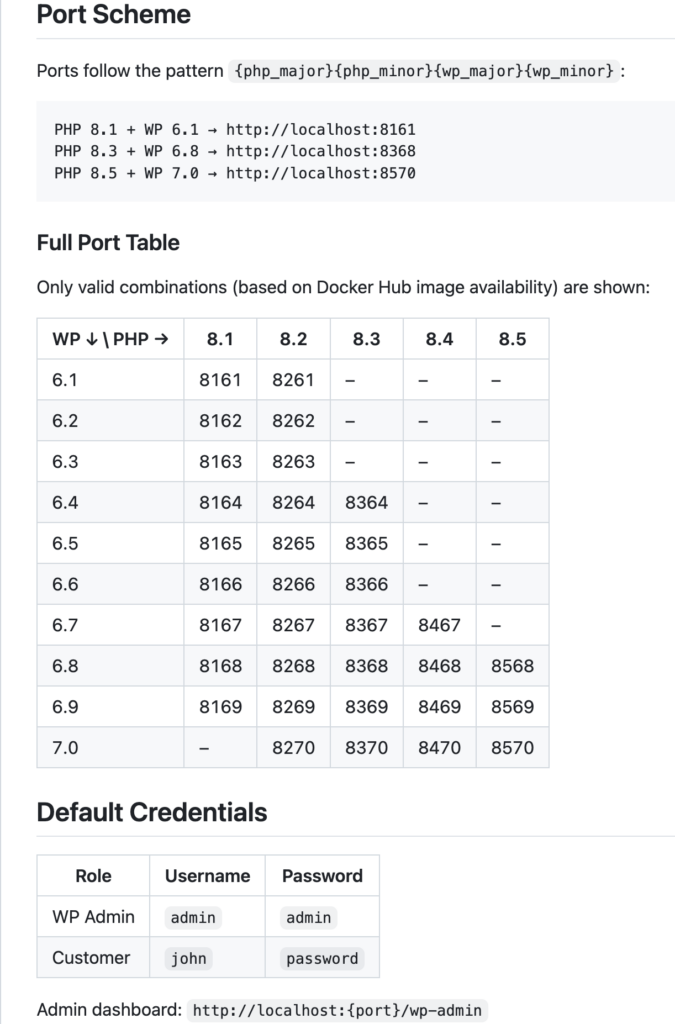
It automatically creates a test matrix covering:
- WordPress 6.1 through 7.0
- PHP 8.1 through 8.5
That’s 33 different environments.
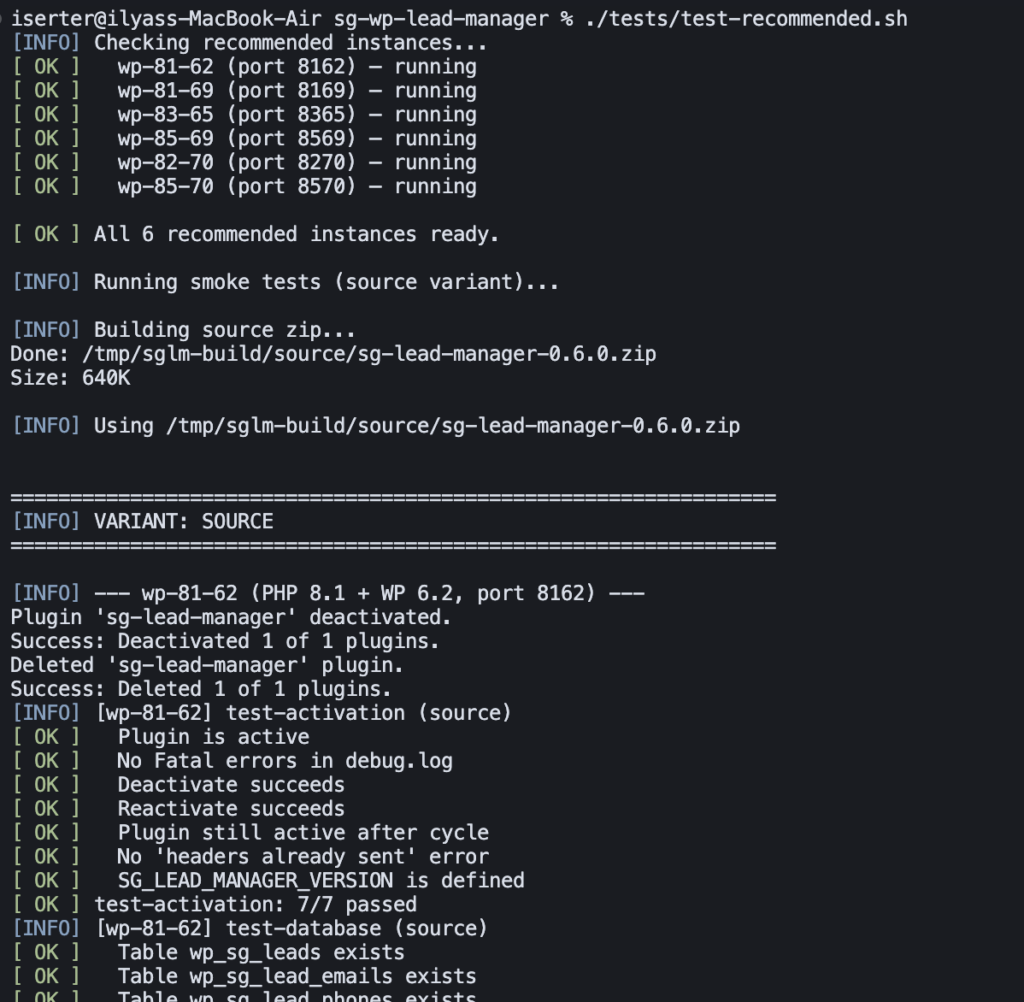
Every plugin gets validated across all of them.
When someone tells me a plugin works, I prefer evidence over optimism.
Automation gives me that evidence.
Development. Testing. Support.
That’s now a complete pipeline.
Development is automated where it makes sense.
Testing is automated.
Updates are automated.
Issue triage is automated.
Releases are automated.
That doesn’t eliminate bugs.
Nothing does.
It dramatically reduces stupid mistakes.
Those are the expensive ones.
Time to Let the Plugins Market Themselves
Here’s the fun part.
These plugins exist to help with content marketing and cold outreach.
So that’s exactly what I’m using them for.
Dogfooding isn’t optional.
If I won’t use my own software to grow the business, why should anyone else?
The plugins will generate content.
Repurpose content.
Support outreach.
Manage leads.
Help publish consistently.
We’ll see how far they can take themselves.
I think that’s the only honest marketing experiment that matters.
Try Everything Yourself
I don’t like forcing people to buy software they’ve never touched.
So I built a public demo.
You can launch a fresh WordPress sandbox that stays alive for two hours.
All plugins are already installed.
Just explore.
Demo:
Break things.
See how they work.
That’s a much better sales pitch than another polished landing page.
Launch Promotion
To celebrate the launch I’m running a simple offer.
Nothing complicated.
80% off.
Limited to the first 100 customers.
After that, pricing returns to normal.
I don’t like fake countdown timers.
When the first 100 licenses are gone, they’re gone.
Free Lifetime Licenses
I also wanted to reward early supporters.
So here’s the deal.
I’ll give away 10 lifetime licenses.
To enter, simply join the waitlist:
https://promo.sagegrids.com/free-licenses
Once we reach 1,000 people on the waitlist, I’ll randomly select ten winners.
No complicated referral system.
No endless sharing requirements.
Just join.
Wait.
Maybe get lucky.
What’s Next?
MVPs are finished.
Now comes the interesting part.
Real users.
Real websites.
Real bugs.
Real feedback.
That’s where software actually gets good.
I’m looking forward to it.
Because products aren’t finished when they’re launched.
They’re finished when people stop asking for improvements.
And if that day ever comes…
I’ve probably built the wrong product.